Drywall Contractor Insurance for Canada’s Construction Industry

Protection for Every Phase of Drywall & Interior Finishing Work

Drywall and interior finishing work happens late in the build, under tight deadlines, and alongside multiple trades. One mistake can damage finished spaces, delay turnover, or expose your business to costly claims. Axis Insurance builds competitive insurance programs specifically for drywall professionals—so you stay compliant, protected, and able to keep working.
Who This is For

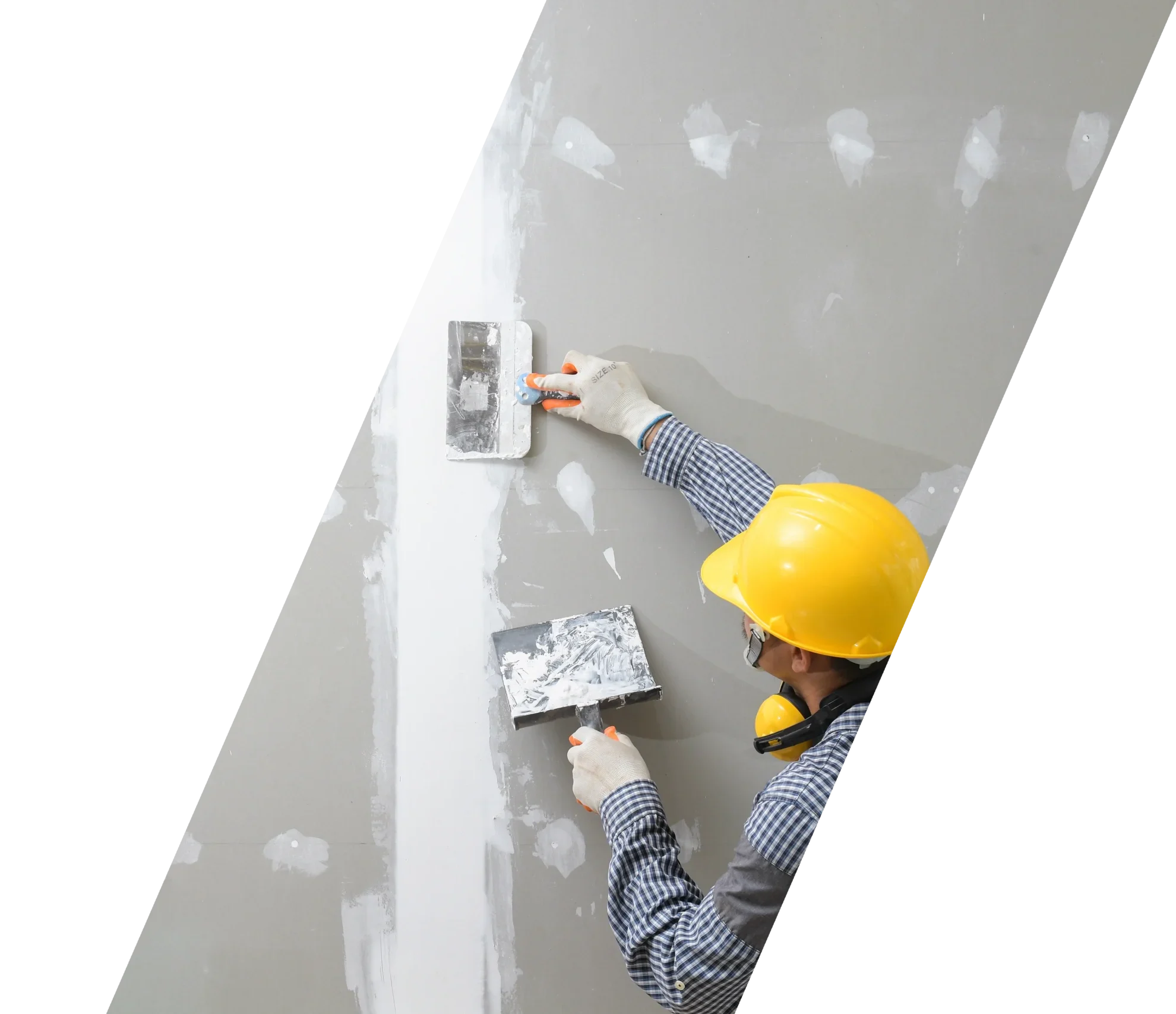
We work with drywall and interior finishing contractors across Canada, including:

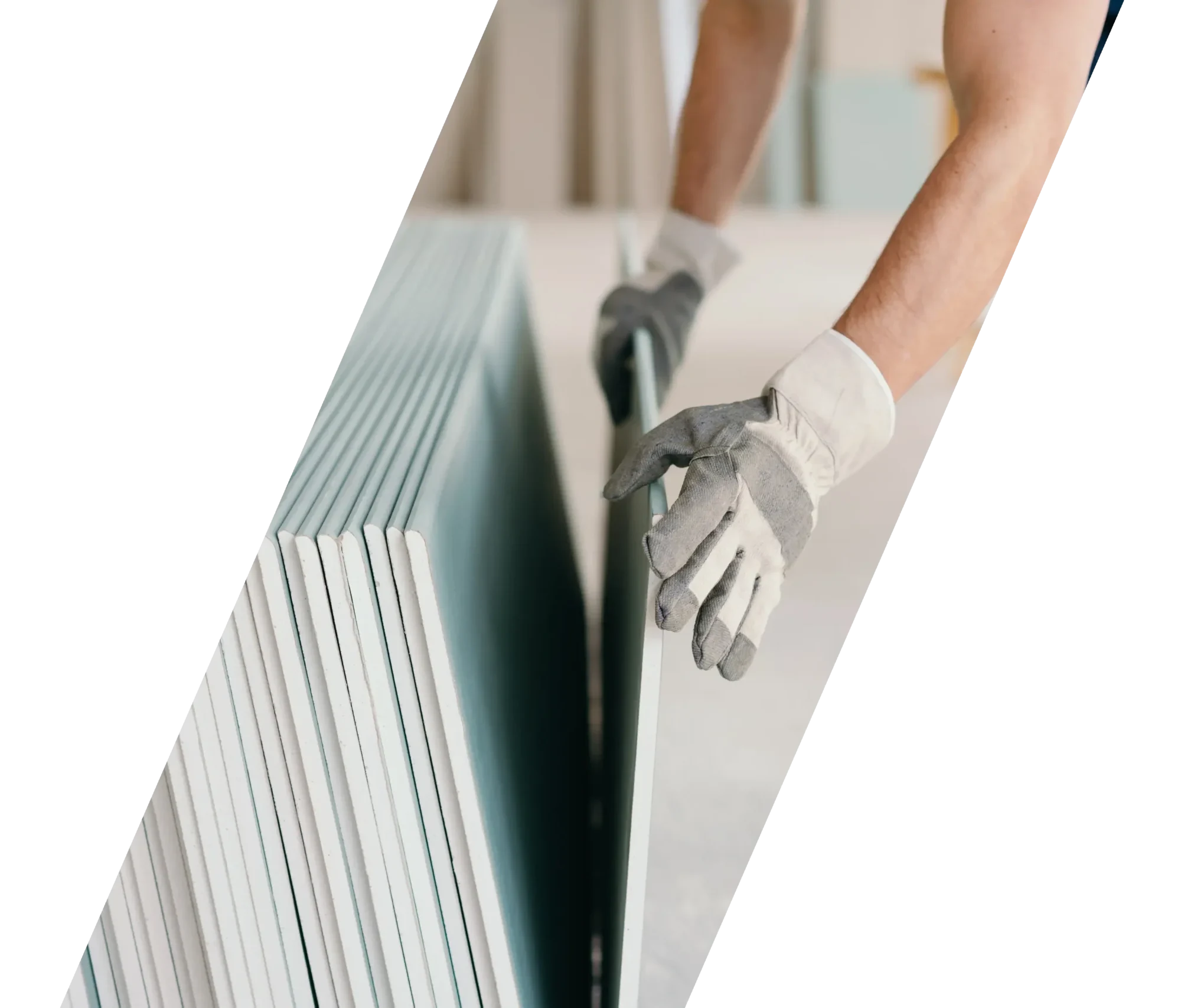
  • Drywall installation crews
  • Steel stud and interior framing teams
  • Taping, mudding, and finishing specialists
  • Acoustic ceiling installers
  • Insulation and vapour barrier contractors
What You Get With Axis

  • A free coverage risk assessment before you commit to any policy
  • Fast, contractor-friendly online application
  • Brokers who understand interior trades and multi-trade job sites
  • Access to multiple insurers (no one‑size-fits-all policies)

What We Cover

Most drywall contractors need a mix of these core coverages:

Commercial General Liability (CGL)

Covers third‑party bodily injury and property damage caused by your operations, including completed work. Larger commercial projects often require higher limits.

Contractor’s Equipment and Tools Floater

Protects lifts, taping tools, sanders, lasers, scaffolding, and power tools on site, in transit, or in storage.

Course of Construction / Builder’s Risk

Covers materials and work in progress while part of an active construction or renovation project.

Installation Floater

Covers concrete materials while they are in transit to a site and during the installation process before the project is finished.

Contractor’s E&O / Design Build Professional Liability

Important for contractors involved in layout, design‑assist work, shop drawings, firestopping plans, or project oversight. Covers financial loss not handled by general liability.

Contractors Pollution Liability

Addresses risks related to drywall dust, silica exposure, and environmental claims that standard CGL does not cover.

Commercial Auto and Non-Owned Auto

Covers vans, trucks, and hired vehicles used to transport tools, materials, and crews.

Wrap-up Liability (OCIP / CCIP)

Single‑project coverage for all enrolled trades. Common on large commercial, public, or multi‑phase developments.

Claims Scenarios

What if a worker slips or falls while handling drywall overhead and damages property?

General liability responds to third‑party injury and property claims and legal costs.

What if finished flooring or millwork is damaged during installation?

General liability covers accidental property damage caused by your work.

What if tools or lifts are stolen from a jobsite overnight?

Equipment insurance helps replace them quickly so work continues.

What if moisture or installation defects cause issues after turnover?

Completed operations coverage responds to post‑project claims.

What if dust or silica exposure leads to an environmental complaint?

Pollution liability helps manage cleanup costs and third‑party claims.

What Affects Your Insurance Cost?

Pricing depends on:

  • Type of work (residential, commercial, institutional, industrial)
  • • Size and complexity of projects
  • • Value of tools and equipment
  • Claims history and safety practices
  • • Provincial regulations and contract requirements

Axis selects tailored coverage from 150+ insurance markets, helping you avoid unnecessary costs today and expensive coverage gaps later.

Get Started on Your Drywall Contractor Insurance Quote Today

Fast, simple, contractor‑friendly online intake. Start with a free coverage risk assessment before you commit.

"*" indicates required fields

Frequently Asked Questions (FAQs)

Yes. General liability can cover accidental damage during installation, while completed operations coverage responds to issues that arise after the job is finished.

Yes. Tools and equipment insurance covers items like taping tools, lifts, sanders, and power tools against theft, fire, vandalism, or accidental damage on site, in transit, or in storage.

Yes. Subcontractors should always carry their own liability insurance and provide certificates before accessing job sites, and they face the same risks as primary contractors.