A recent structural emergency at a Manhattan high-rise renovation project is a reminder that even well-planned, large-scale developments can face unexpected challenges.
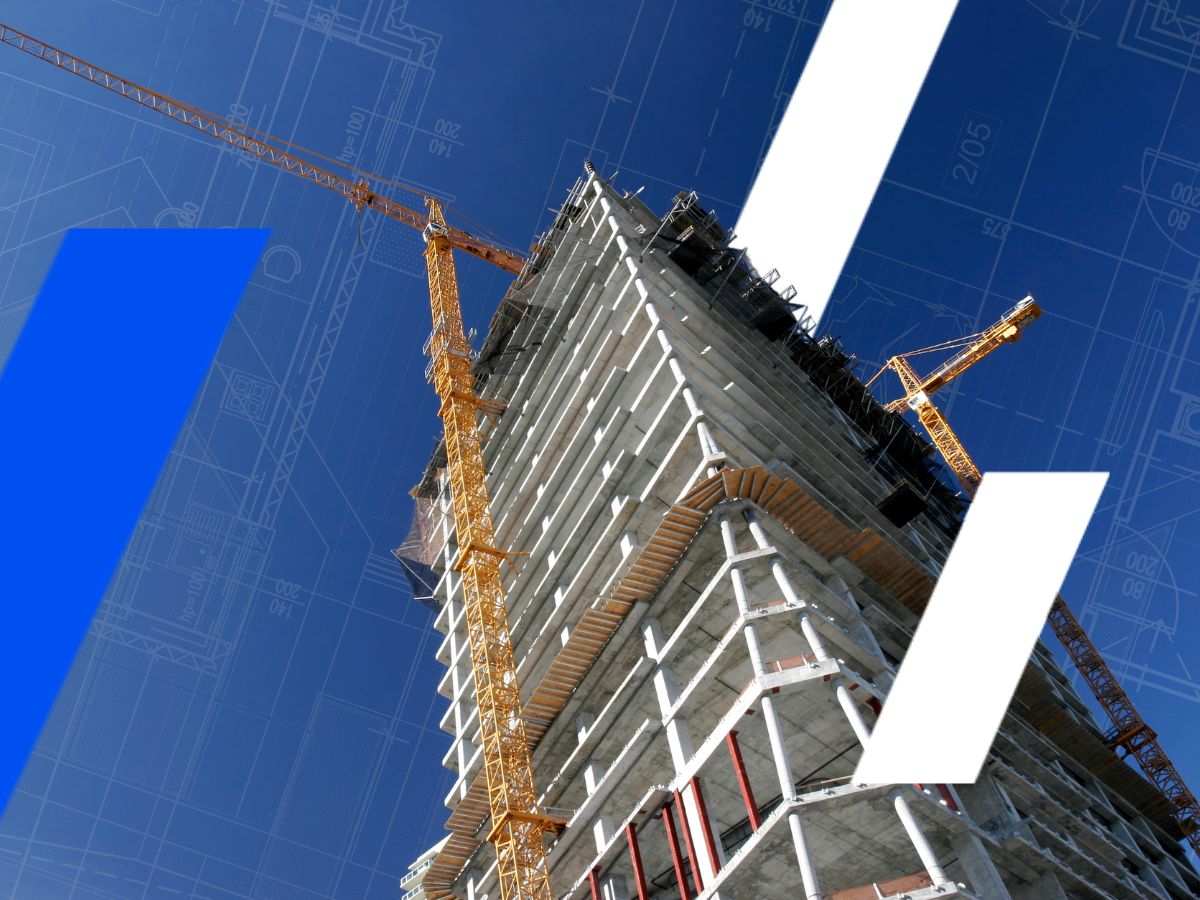
In July 2026, New York City officials evacuated surrounding buildings after structural damage was discovered at a 37-storey tower undergoing conversion from office space to luxury apartments. Authorities initially warned of a potential localized collapse before engineers stabilized the structure and allowed some residents to return.
While the immediate crisis was avoided, the incident highlights an important reality for developers, property owners, lenders, and contractors: construction risk can escalate quickly, even on experienced projects with professional oversight.
What Happened?
Construction and redevelopment projects are inherently complex. When structural issues arise, the impact often extends far beyond the affected building. Delays, repair costs, liability concerns, financing pressures, and reputational risk can all follow.
For organizations investing in major projects, this event reinforces the importance of understanding how risk can evolve throughout a build and ensuring insurance strategies evolve alongside it.
Why This Matters From An Insurance Perspective
Major construction and redevelopment projects involve a unique concentration of risks. Even when projects are carefully planned and professionally managed, structural failures can trigger a cascade of financial, legal, and reputational consequences.
Four Insurance Lessons From The Incident
1. Builder’s Risk Coverage Plays a Critical Role
Builder’s Risk insurance is designed to protect projects while they are under construction or renovation. When structural damage occurs, the financial consequences can be significant, including repair costs, engineering assessments, project delays, and additional labour expenses.
As office-to-residential conversions become more common across North America, understanding how an existing structure may respond to new loads and design changes is increasingly important. Coverage should reflect the complexity of the project and the unique exposures involved.
2. Risk Doesn’t Stop At The Property Line
One of the most notable aspects of the New York incident was the impact on neighbouring properties. Public safety concerns led to evacuations and restricted access throughout the surrounding area.
When construction-related events affect adjacent buildings, businesses, residents, or pedestrians, liability exposures can grow quickly. Commercial General Liability (CGL) coverage, along with appropriate excess liability limits, can help protect project stakeholders from potentially significant claims.
The key takeaway: a construction loss can affect far more than the project itself.
3. Delays Can Have Major Financial Consequences
Even when a structural failure does not result in a collapse, the resulting investigations, engineering reviews, regulatory inspections, and remediation work can slow progress considerably. For large developments, project delays can create substantial financial strain and introduce contractual disputes between owners, contractors, lenders, and subcontractors.
Organizations should regularly review their insurance program and contractual obligations to understand where responsibility lies if unexpected interruptions occur.
4. Redevelopment Projects Require Ongoing Risk Assessment
The Manhattan tower was originally built in the 1970s and was undergoing one of North America’s largest office-to-residential conversion projects. Repurposing older buildings presents unique challenges. Structural systems designed for one purpose may respond differently when occupancy changes, additional floors are added, or significant modifications are made.
Effective risk management requires more than a one-time assessment. Continuous engineering reviews, inspections, and project-specific risk analysis can help identify issues before they become major losses.
Key Takeaways for Property Owners and Developers
Events like this demonstrate that risk management is about more than meeting regulatory requirements. It’s about protecting the long-term viability of a project and the investment behind it.
Organizations involved in construction and redevelopment projects should:
- Work with advisors who understand the complexities of construction and redevelopment risk.
- Review Builder’s Risk and liability coverage and exclusions regularly.
- Reassess exposures as project conditions evolve.
- Consider the potential impact on neighbouring properties and businesses.
- Establish clear emergency response and communication plans.
The Bottom Line
The Manhattan high-rise incident ended without a catastrophic collapse, but it highlights how quickly construction risks can emerge and how far-reaching the consequences can be.
A localized structural issue can trigger evacuations, delays, costly repairs, and potential liability claims. For developers, property owners, and contractors, proactive risk management and the right insurance protection are essential to keeping projects on track when the unexpected happens.
At Axis Insurance, we help organizations navigate complex construction and redevelopment risks with clarity and confidence. Whether you’re breaking ground on a new project or transforming an existing asset, our team can help assess your exposures and build an insurance program that supports your goals.
Working with an experienced insurance brokerage can help ensure your coverage keeps pace with evolving project risks, helping protect your investment when the unexpected occurs.
Contact our team