
Anyone familiar with drywall operations knows that even well‑planned projects can face unforeseen challenges. With busy sites, tight deadlines, and so much happening at once, even a small slip can leave you responsible for a client injury or property damage. Liability insurance is there to take the stress out of those surprises so you can focus on the job, not the “what ifs.”
This guide explains what liability insurance covers for drywallers, which add‑ons matter, what projects require, how pricing is built, and how to prevent claim denials.
Get a Drywall contractor insurance quote:
Get a quoteWhy Liability Insurance Matters for Drywall Contractors
Drywall is viewed as higher exposure because crews work in active spaces, close to client property, and in ways that can affect surrounding areas. While insurers traditionally center on a few core risk categories, Axis applies that framework to the specific realities of drywall operations. Our core coverage for drywall contractors focuses on third‑party injury, property damage, dust migration, and water‑related events.
What Commercial General Liability (CGL) Covers for Drywallers
CGL is the foundation of a drywall contractor’s liability protection. At a high level, it addresses claims from people outside your company for injury or property damage caused by your operations, and it includes the insurer’s duty to defend.
What an Installation Floater Covers
Painting jobs often involve storing materials on site before work begins, including primers, paints, coatings, and supplies. An Installation Floater covers materials while they are in transit or stored at the job site before being used. For example, if paint is stolen from a site, damaged by weather, or vandalized before you use it, this coverage can help replace those materials.
| What it covers | What insurers expect at claim time |
| Third‑party bodily injury | Prompt, proper notice of an incident or potential claim according to contract and policy requirements. Late notice can prejudice adjustment. |
| Third‑party property damage | Reasonable preventability and basic risk controls documented in your files, aligned to your scope of work. |
| Accidental water damage | Clear scope alignment with what was disclosed to the insurer, including subcontractor arrangements and certificates where required. |
| Defense costs | Cooperation and documentation that help adjusters evaluate liability and damages efficiently. |
Together these exposures shape how Axis builds coverage for drywall contractors, keeping the focus on the real‑world risks that drive claims.
How Liability Insurance Works with Crew Safety and Workers’ Compensation
Commercial General Liability responds (CGL) when a third party is injured or when their property is damaged because of your operations, while worker injuries are handled through provincial systems such as WorkSafeBC.
Insurers also expect contractors to follow provincial safety standards, including WorkSafeBC’s requirements for drywall work. Meeting these expectations supports clearer outcomes when incidents occur and strengthens your overall risk profile.
Protecting Your Tools and Equipment with the Right Add-Ons
Commercial General Liability (CGL) protects you when your work causes injury or damages someone else’s property, but it does not cover your own tools or mobile equipment. For drywallers, that gap is filled with a tools and equipment policy or equipment floater, which covers theft, damage, and in some cases short‑term rentals so you can keep working without interruption.
For mobile crews moving between sites, Axis helps you set limits and deductibles that match the value and mobility of your gear, including options for short‑term rental coverage so you can keep working without interruption.
This add‑on is useful for both small operators and larger drywall teams, giving you predictable protection for the tools that keep your projects moving.
Project-Based Requirements: Certificate of Insurance, Additional Insured, Wrap Ups
Project owners often ask for specific liability limits and a current Certificate of Insurance before you can start work. Many commercial and multi‑unit jobs also require adding the owner or general contractor as additional insured and agreeing to a waiver of subrogation, so it helps to keep a simple checklist of who needs to be named and what wording the contract specifies.
On larger builds, you may be enrolled in a wrap up liability policy that covers all contractors under one project policy. Know how your own CGL fits alongside the wrap up liability and what the enrollment process involves. If you are unsure, this is the moment to ask your broker about dates, documentation, and any exclusions that still require maintaining your own coverage.
Factors That Influence a Drywaller’s Insurance Premium
Insurance pricing for drywallers comes down to some core inputs. Your experience, claims history, crew size, and scope of work all play a primary role in how insurers assess your risk.
Underwriters also look at how you manage the everyday exposures that come with drywall work. Simple measures like consistent dust control, documented site practices, and alignment with WorkSafeBC guidance signal stronger risk management, which can support better pricing.
For context, contractor programs in Canada commonly adjust premiums based on class of work, revenue, and clean loss history, with limits stepping up for commercial jobs.
How to Choose the Right Liability Insurance Policy
Choosing liability insurance is easier when you know what to ask for. A good policy should match the way your drywall business actually operates, and a good broker should help you spot gaps in your coverage before they become problems.
What exclusions apply to my drywall scope?
Every policy has exclusions, and it is important to understand which parts of your work fall outside the policy’s wording so there are no surprises at claim time.
How should subcontractors be handled?
Ask what documentation you need and whether subs must be declared or added to your policy. Improperly documented subcontractors can create issues during claims.
Which endorsements do I need for commercial projects?
Many contracts require items like additional insured, primary and non contributory, or a waiver of subrogation. These must be added by endorsement, because they cannot be created by a certificate alone.
How should my tools and equipment coverage be structured?
Your tools policy should reflect your crew size and mobility so you can replace damaged or stolen gear quickly and stay on schedule.
Keep your scope accurate
Claims are often challenged when contractors work outside the scope they originally declared on their application or renewal. Update your operations description regularly.
Stay on top of subcontractor documentation
Using an undeclared or uninsured subcontractor can create coverage issues. Make subcontractor checks part of your annual review.
Remember certificates don’t change coverage
A Certificate of Insurance shows what exists; it does not create Additional Insured status or Waivers of Subrogation. These changes need to be endorsed on the policy itself.
Final Checklist for Drywall Liability Protection
- Confirm your CGL basics, including third party injury, property damage, and the duty to defend.
- Add tools & equipment coverage for theft, damage, and rentals.
- Use workers’ compensation for crew injuries and keep safety practices documented.
- Match project requirements by reviewing your certificate of insurance, limits, additional insured status, and any waivers of subrogation.
- Check wrap‑up program details if you are enrolled on large builds.
- Know what affects your price such as experience, claims history, crew size, scope.
- Ask your broker about key items, including exclusions, subcontractors, endorsements, and tools coverage.
Get Coverage Fast
Ready to protect your drywall business with coverage that fits how you actually work? Fill out our quick, contractor‑friendly application to get a fast, no‑obligation quote tailored to your crew, projects, and equipment.
Get a QuoteShare post:
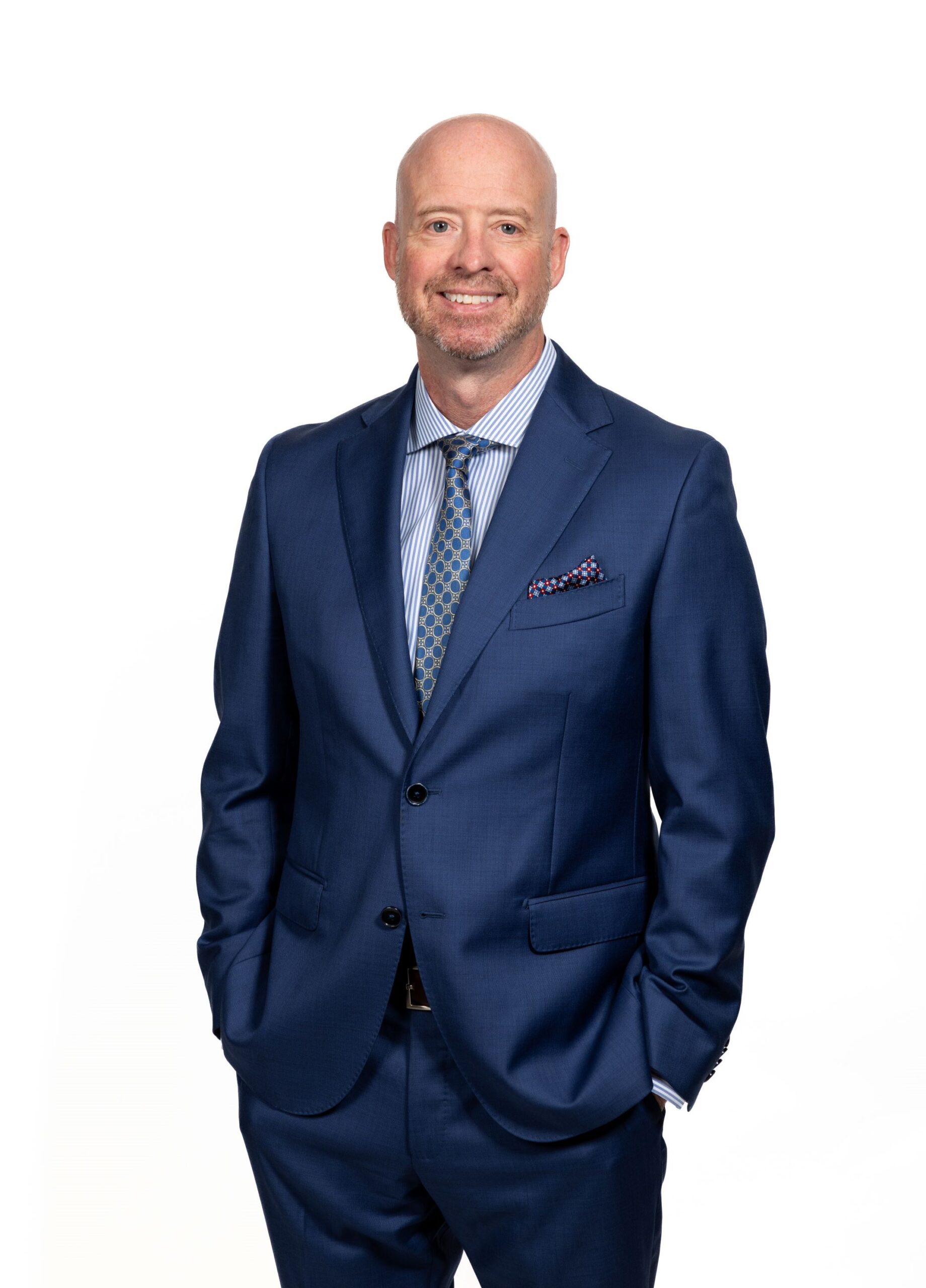
Kevan Thompson
National Senior Vice President of the Construction, Contractors & Real Estate
I’m Kevan Thompson, National Senior Vice President of the Construction, Contractors & Real Estate practice group at Axis Insurance. With more than two decades of experience, my background spans project-specific insurance programs, contract review and modeling, contract surety, and subcontractor default insurance (SDI). As practice group leader, I oversee our national strategy to provide clients with risk management, insurance, and performance security solutions that position them for long-term success.
AUTHOR BIOGRAPHY